Halloween can be a fun and memorable holiday, but for families managing food allergies, it requires extra planning. With a few proactive steps, it’s possible to create a safer and more inclusive experience for everyone.
1. Stay Informed About Allergy Testing
Food allergies can change over time, and advancements in testing have made it easier to better understand specific triggers and risk levels. For example, allergen component testing can help determine whether someone may tolerate baked forms of milk or eggs while still needing to avoid raw versions. This type of information can make a meaningful difference during holidays like Halloween — potentially expanding safe options while still maintaining necessary precautions.
If you have questions about allergy blood testing or updated evaluations, speak with your healthcare provider about current testing options.
2. Schedule a Pre-Halloween Check-Up
Before trick-or-treating begins, consider scheduling an appointment with your healthcare provider to review:
- Any new or ongoing symptoms
- Emergency action plans
- EpiPen or medication updates
- Allergy testing options
Any healthcare provider who typically orders laboratory tests can request allergy blood testing, including component testing. In many cases, it simply requires asking about available options. Preparing in advance can provide reassurance and clarity heading into the holiday.

3. Choose Safe Halloween Treat Options
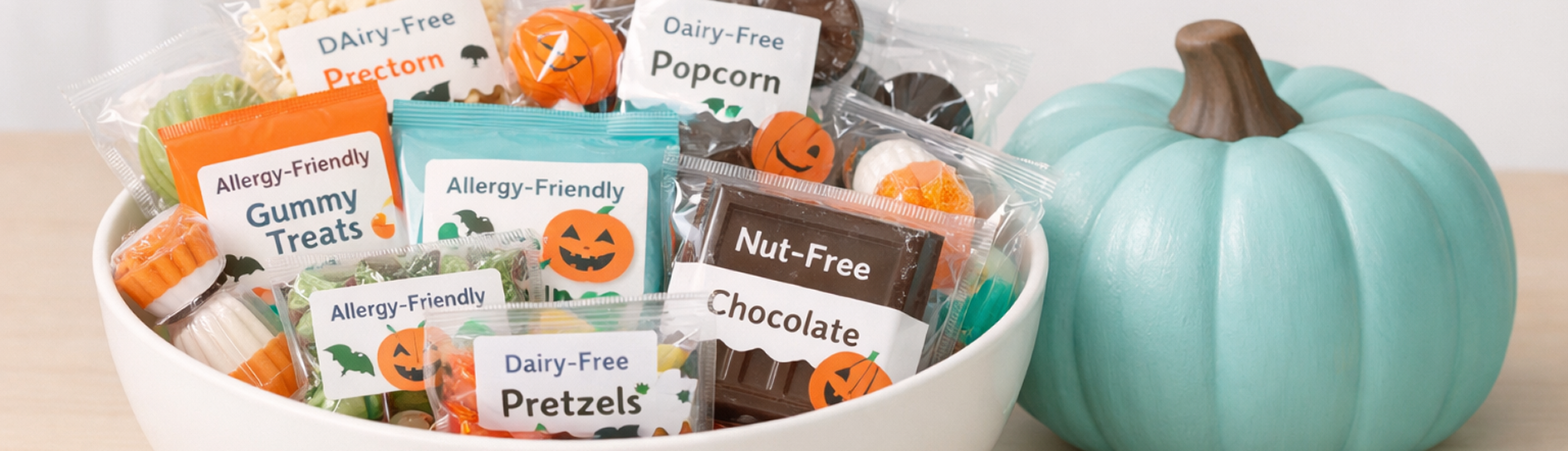
Food allergens can appear in unexpected places, making label-reading essential. If you plan to hand out candy — or review your child’s treats — always check packaging carefully for allergen information.